
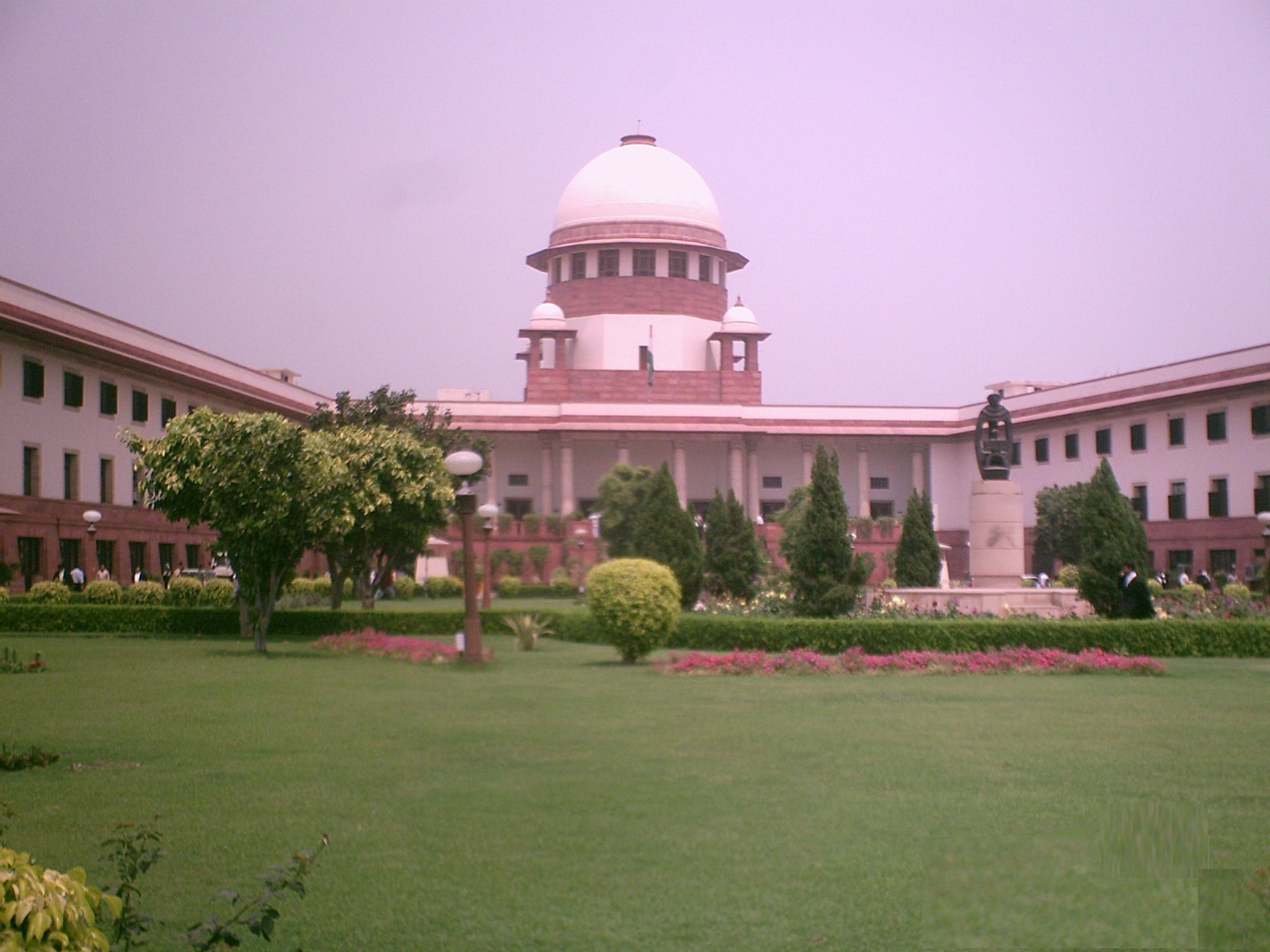

Visiting a court for the first time can feel overwhelming — crowded hallways, unfamiliar procedures, long waits, and legal jargon everywhere. Whether you’re filing a civil case, responding to a criminal matter, attending a hearing, or just supporting someone, knowing the basics can make the process much less stressful.
In Delhi, the judicial system is modernized with e-filing, online cause lists, and virtual hearings, but physical visits are still common. This guide is tailored for first-timers in Delhi/NCR courts as of 2026, covering everything from preparation to what happens inside the courtroom.
Important Disclaimer: This is general information and not legal advice. Court procedures can change, and your case may have unique requirements. Always consult a qualified lawyer for personalized guidance.
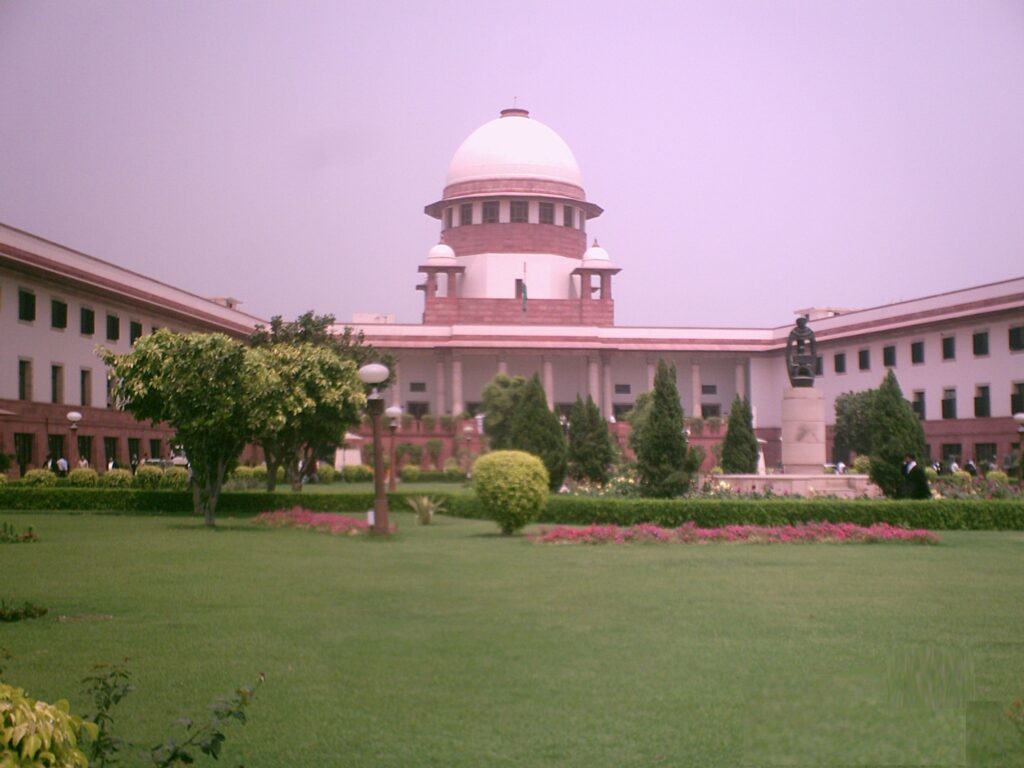
Key Delhi Court Complexes and How to Choose the Right One
Delhi has seven main district court complexes, divided by geographical areas and case types:
- Tis Hazari Courts (Central & West Delhi) – Oldest and busiest; handles many civil and criminal cases.
- Patiala House Courts (New Delhi District) – Near India Gate; often for NDPS, CBI, and commercial cases.
- Karkardooma Courts (East & Shahdara Districts) – Modern complex in Anand Vihar area.
- Saket Courts (South & South-East Delhi) – Handles many family and criminal matters.
- Rohini Courts (North-West & Outer Delhi) – Spacious and relatively newer.
- Dwarka Courts (South-West Delhi) – Growing complex for southwest areas.
- Rouse Avenue Courts – Specialized for corruption, money laundering, and MP/MLA cases.
Tip: Jurisdiction depends on where the incident occurred, where parties reside, or case type. Check the official Delhi District Courts website (delhidistrictcourts.nic.in) or consult a lawyer to confirm the correct venue. Wrong jurisdiction can lead to transfer delays.
Step-by-Step: Filing a Case (E-Filing Recommended)
Most new cases now start with e-filing via the national portal — it’s faster, paperless, and available 24/7.
- Register on the E-Filing Portal Visit https://filing.ecourts.gov.in. New users need to sign up with mobile/email verification and Aadhaar/e-Sign or digital signature for advocates.
- Prepare Your Documents
- Plaint/petition in PDF format (A4 size, proper margins).
- Affidavits, annexures (true copies certified).
- Court fees paid online (via e-pay).
- Vakalatnama (if represented by lawyer).
- File Online Select Delhi > Appropriate court > Case type. Upload documents, pay fees, and submit. You’ll get an acknowledgment and case number.
- Physical Filing (If Needed) Go to the filing counter at the relevant complex (usually 10 AM–4 PM). Get defects checked by the registry.
- Scrutiny and Registration The registry checks for objections (e.g., missing court fee, improper formatting). Fix defects promptly to avoid rejection.
Pro Tip: Use e-filing to avoid queues. As of 2026, it’s mandatory for many categories in Delhi High Court and encouraged in district courts.
What to Expect During a Court Visit
- Arrival and Security: Arrive early (courts start around 10 AM). Expect airport-like security checks. Carry ID; mobiles allowed but silenced.
- Finding Your Courtroom: Check daily cause lists on delhidistrictcourts.nic.in or the e-Courts app. Lists are posted outside courts too.
- Dress Code: Formal attire — no shorts, sleeveless, or casual wear. Collared shirts, trousers/sarees preferred.
- In the Courtroom: Stand when the judge enters (“All rise!”). Address as “Your Honour” or “My Lord/Lady.” Speak only when called. No recording/photography.
- Hearings: Cases are called serially. If yours is not reached, it may be passed over — check for next date.
- Virtual Options: Many hearings are hybrid. Links available on the High Court/District sites for video conferencing.
Current Update (2026): Post-pandemic, virtual appearances are routine in Delhi High Court and increasingly in district courts for miscellaneous matters.
Common Pitfalls First-Timers Make (And How to Avoid Them)
From registry objections to courtroom etiquette, here are frequent mistakes:
- Incomplete Documentation – Missing affidavits, improper attestation, no English translation for Hindi documents. Fix: Double-check against the court’s checklist.
- Wrong Court Fees or Valuation – Underpaying leads to delays. Fix: Calculate accurately or use online fee calculators.
- Poor Formatting – Insufficient margins, illegible scans, no indexing of annexures. Fix: Follow Delhi High Court/District rules (e.g., 4cm left margin for physical).
- Late Arrival or Missing Dates – Cases can be dismissed for non-appearance. Fix: Track via SMS alerts or portal.
- Arguing Directly Without Lawyer – Litigants-in-person are allowed, but procedure knowledge is key. Fix: Consider free legal aid from Delhi State Legal Services Authority (dslsa.org) if eligible.
- Ignoring Defects – Registry objections must be cured within time, or filing is rejected.
Additional Tips for a Smooth Experience
- Use Online Services: Check case status, orders, and judgments on delhidistrictcourts.nic.in or delhihighcourt.nic.in.
- Mediation/Lok Adalat: For settlements, opt for these faster alternatives — especially useful for traffic challans or family disputes.
- Facilities: Most complexes have canteens, ATMs, and facilitation centers. Parking is limited — use metro (e.g., Tis Hazari metro station).
- Safety: Courts are safe, but stay aware in crowds. Women can approach Mahila help desks.
- Free Help: Delhi SLSA provides legal aid for low-income groups.
Conclusion
Navigating Delhi courts doesn’t have to be daunting. With e-filing, online tracking, and a bit of preparation, you can handle it confidently. Start by identifying your correct court and filing electronically — it saves time and hassle.
Facing a specific issue? Our team at Delhi.Legal can assist with filing, representation, or guidance. Contact us today for case filing assistance or a free initial consultation.
What was your first court experience like? Share in the comments — your tips could help others!
Subscribe for more practical legal guides for Delhi residents.